Your Guide to Man Made Diamond Jewelry
The Growing Trend of Synthetic Diamond Rings in the Jewelry Business
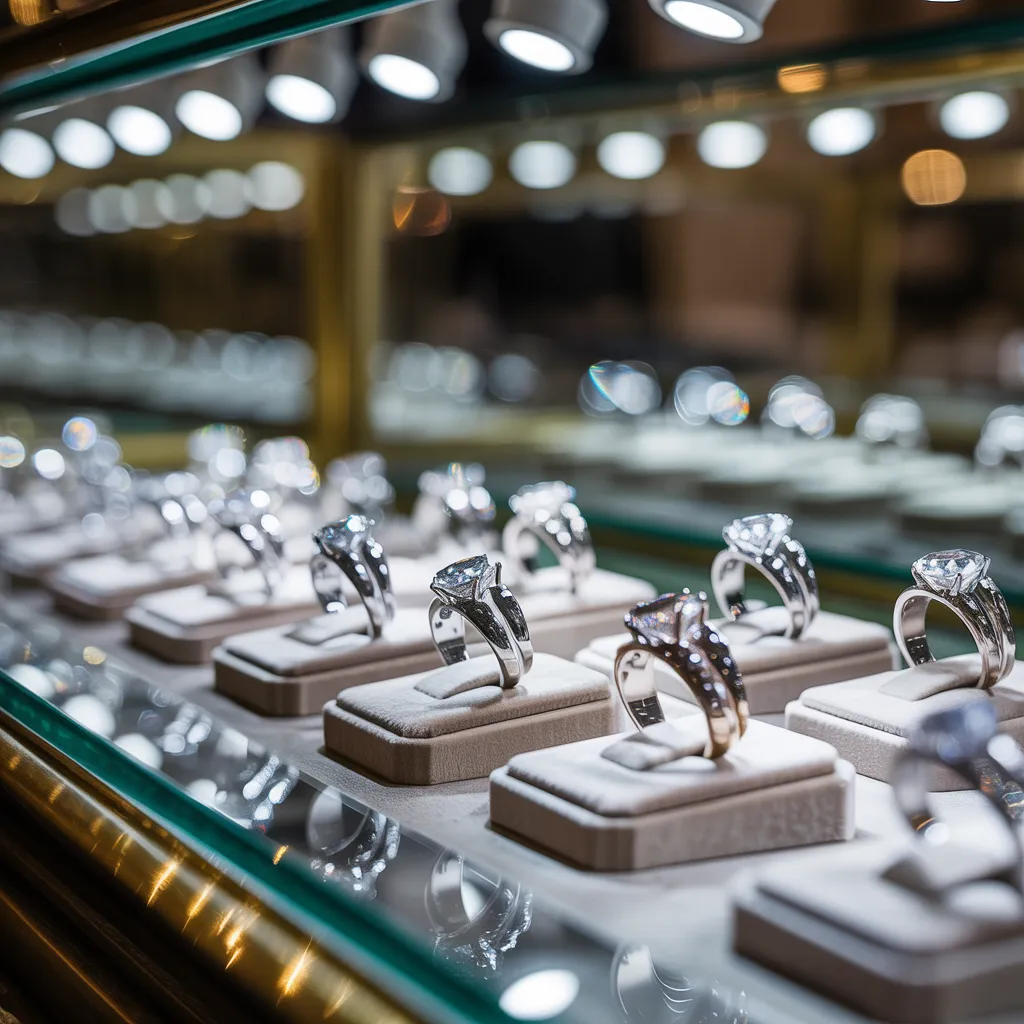
Artificial diamond rings are gradually becoming the go-to choice for consumers within the jewelry sector. Their ethical sourcing and affordability resonate with a growing number of buyers. Moreover, advancements in technology have blurred the lines between lab-created and natural diamonds. As awareness of the environmental impact of mined diamonds rises, the appeal of these synthetic alternatives continues to expand. What considerations are propelling this transition in customer choices?
The Conscientious Appeal of Synthetic Diamonds
As shoppers more and more focus on ethical aspects when making purchases, synthetic diamonds have become a compelling alternative to mined stones. These lab-created gems deliver a solution to the ethical dilemmas connected to traditional diamond mining, which often involves environmental destruction and breaches of human rights. The production of synthetic diamonds considerably minimizes the carbon footprint compared to their mined counterparts, attracting environmentally conscious buyers. Furthermore, the transparency in sourcing and manufacturing processes promotes trust among consumers who wish to make responsible choices. By picking synthetic diamonds, individuals synchronize their values with their purchasing power, promoting sustainability and ethical labor practices. This expanding awareness and commitment to ethical consumption lead to the expanding popularity of synthetic diamond rings in the jewelry market.

Affordability: A Cost-Effective Option
Man-made diamond rings present budget-friendly pricing alternatives that make them attainable for a larger demographic. This economic advantage not only enables a stunning alternative at a decreased price but also provides the prospect of preserving worth over time. As shoppers turn more cost-aware, man-made diamonds steadily appear as a pragmatic selection in the jewelry marketplace.
Competitive Cost Options
While many couples seek stunning engagement rings without breaking the bank, cost-effective pricing choices for synthetic diamond rings have become a popular solution. These lab-created gems typically cost between 20% and 40% less than their natural counterparts, rendering them available to a more extensive variety of budgets. The price advantage results from lower production costs and reduced mining expenses, letting consumers to invest in larger or higher-quality stones without financial strain. This affordability has made synthetic diamonds an appealing option for millennials and first-time buyers who emphasize both aesthetics and budget. As a result, the jewelry market has witnessed a shift, with more couples accepting these cost-effective alternatives without diminishing beauty or style.
Retention of Value Potential
Value retention capacity serves a vital function in the decision-making process for numerous consumers evaluating synthetic diamond rings. Unlike natural diamonds, which can change substantially in resale value, synthetic diamonds tend to have more predictable pricing structures. This consistency stems from their controlled production and the capacity to manufacture them in diverse qualities and sizes. As a result, consumers often view synthetic diamonds as a cost-effective choice that delivers similar aesthetic appeal without the premium price tag. Moreover, the lower initial investment can contribute to less financial stress, enabling buyers to emphasize other aspects of their purchase, such as design or setting. In the end, the value retention potential of synthetic diamond rings enhances their growing appeal in the jewelry market.
Advanced Technology in Diamond Synthesis
Advancements in technology have changed the system of diamond production, making it more streamlined and reachable than ever before. Methods such as High Pressure High Temperature (HPHT) and Chemical Vapor Deposition (CVD) have appeared as foremost methods for producing synthetic diamonds. HPHT imitates the natural conditions under which diamonds form, while CVD facilitates the growth of diamonds from a gas phase, enabling greater control over quality and size. These innovations have significantly reduced production costs and time, helping manufacturers to generate diamonds that are practically indistinguishable from their mined counterparts. As a result, the quality of synthetic diamonds has increased, enticing consumers pursuing both affordability and sustainability without diminishing their aesthetic appeal.
The Ecological Impact of Lab-Made Precious Stones
The emergence of synthetic diamonds has not only reshaped the jewelry market but also raised important questions about their environmental impact. Unlike traditional diamond mining, which often leads to significant ecological disruption, lab-created gems require significantly fewer natural resources. The process of creating synthetic diamonds typically uses less water and emits fewer greenhouse gases. Additionally, there is no risk of habitat destruction or pollution connected to mining operations. However, the energy consumption of production facilities must be taken into account, as it can vary widely depending on the source of energy used. In summary, lab-created diamonds present a more sustainable alternative, appealing to environmentally conscious consumers seeking to lessen their ecological footprint while enjoying the beauty of fine jewelry.
Altering Perspectives: Inclusion in Our Communities
As contemporary culture elevates sustainability and ethical consumption, perceptions of synthetic diamond rings are shifting considerably. First greeted with uncertainty and associated with diminished quality, these lab-created gems are now being embraced for their environmental benefits and ethical sourcing. The stigma surrounding synthetic diamonds is declining as more consumers understand their indistinguishable appearance from mined stones. This transformation is largely fueled by younger generations who value transparency and responsibility in their purchasing decisions. Social media and celebrity endorsements further strengthen this acceptance, showcasing synthetic diamonds as a trendy and ethical choice. As a result, the jewelry market is experiencing a transformative shift, with synthetic rings earning recognition and acceptance among discerning consumers seeking both beauty and integrity in their purchases.
Personalization and Design Diversity
With an expanding acceptance of synthetic diamond rings, buyers are now discovering a broader range of customization options and design alternatives. Different from traditional diamonds, synthetic diamonds can be produced in numerous colors, sizes, and shapes, serving individual preferences. This flexibility allows customers to create unique pieces that reflect individual style and significance. Jewelers are also embracing innovative settings and materials, adding alternative metals and intricate designs that improve the overall aesthetic. Furthermore, the ability to personalize engravings and other details further enriches the customization experience. As a result, synthetic diamond rings not only satisfy the quest for beauty but also offer a canvas for self-expression, making them increasingly appealing to a diverse audience.
What Lies Ahead for Synthetic Diamonds in the Jewelry Market
Whereas the jewelry industry has traditionally been associated with natural diamonds, the growth of synthetic diamonds indicates a transformative shift toward ethical and sustainable practices. As consumers grow more environmentally conscious, synthetic diamonds present a compelling pertinent details alternative, manufactured with a considerably lower carbon footprint. The future of synthetic diamonds in the jewelry industry seems promising, with advancements in technology elevating their quality and appeal. Retailers are increasingly embracing these lab-grown stones, presenting diverse options that serve various tastes and budgets. Additionally, as awareness of the ethical issues surrounding mined diamonds increases, synthetic diamonds are likely to achieve further acceptance. This shift not only illustrates changing consumer values but also signals a broader trend in favor of responsible luxury in the market.
Popular Questions
In Terms of Quality, How Do Synthetic Diamonds Compare to Natural Diamonds?
Lab-grown diamonds frequently display quality comparable to natural diamonds, possessing identical physical and chemical properties. Both types can achieve similar clarity, cut, and color, though synthetic diamonds typically offer a more affordable price point without sacrificing quality.
Are There Particular Brands Famous for Quality Synthetic Diamonds?
Various brands, including Brilliant Earth, MiaDonna, and Clean Origin, are acknowledged for their top-quality synthetic diamonds. These firms focus on ethical sourcing, excellent craftsmanship, and reasonable pricing, catering to consumers wanting alternatives to traditional natural diamonds.
Which Certification Options Are Available for Synthetic Diamonds?
Lab-created diamonds may be certified by multiple organizations, like the Gemological Institute of America (GIA), International Gemological Institute (IGI), and the Gem Certification and Assurance Lab (GCAL), ensuring quality and authenticity for consumers.
Are Synthetic Diamonds Be Resized or Repaired Just Like Natural Diamonds?
Synthetic diamonds can be resized or repaired similarly to natural diamonds, as they possess the same chemical and physical properties. Jewelers generally apply standard approaches for both types, ensuring quality and structural integrity during the work.
In What Ways Do Synthetic Diamonds Influence Traditional Diamond Mining Communities?
Man-made diamonds can detrimentally influence traditional diamond mining communities by diminishing demand for mined diamonds, potentially leading to job losses and economic deterioration in these areas. However, they may also encourage diversification and alternative economic possibilities.